




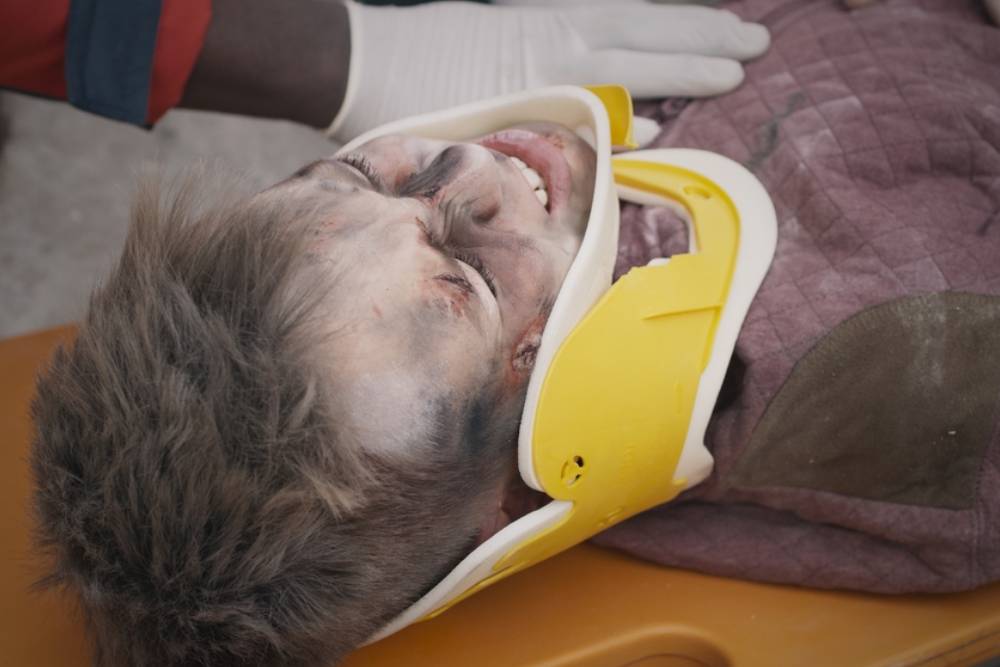
In Florida catastrophic injury cases, the real battle isn’t only about what happened—it’s about what comes next. Every surgery, therapy session, and hour of home care represents a cost that stretches years into the future. Proving those future damages is where justice truly lives or dies.
That’s why life care planning is the blueprint for rebuilding a life. It translates a doctor’s prognosis into a precise financial map, showing insurers and juries what it will actually take for an injured person to live with dignity, safety, and independence.
The best catastrophic injury attorneys in Miami don’t hand these cases off to teams of associates. They handle them personally—calculating every projected cost, consulting leading specialists, and grounding each figure in real Florida medical data. Here’s how they prove future damages:
1. Establishing the Life Care Plan
The first step a Miami personal injury attorney takes to prove future damages is developing a legally sound life care plan. This plan is more than a medical summary—it’s a structured financial projection built on objective evidence.
A typical plan includes detailed calculations for:
- Ongoing medical treatments and physician visits
- Surgical interventions and medications
- Long-term rehabilitation (physical, speech, occupational, or cognitive therapy)
- In-home nursing or personal-care assistance
- Mobility devices, prosthetics, and assistive technology
- Home and vehicle modifications
- Transportation and vocational retraining
- Counseling and psychological support
Catastrophic injury attorneys in Miami ensure that every cost is verified through medical documentation and regional cost data. This transforms abstract suffering into measurable financial evidence—one of the strongest tools for persuading insurers or juries.
2. Using Medical Experts to Validate Every Projected Expense
To prove future damages, an injury lawyer must establish medical necessity. Florida courts require that future medical expenses be proven with “reasonable certainty”. Lawyers achieve this by presenting testimony from treating physicians, rehabilitation specialists, and certified life care planners.
Each medical expert provides:
- Diagnosis and Prognosis
- Treatment Plans
- Duration Estimates:
- Complication Forecasts
By securing sworn statements and depositions from these professionals, the Miami catastrophic injury attorney builds a record that meets Florida’s evidentiary standard—proving that every future dollar requested is based on legitimate, documented need.
3. Coordinating Independent Evaluations and Functional Assessments
A powerful way attorneys prove future damages is through functional capacity evaluations (FCEs) and independent medical examinations (IMEs). These objective assessments measure how much the injured person can lift, move, walk, concentrate, or perform daily activities. These evaluations are conducted early in the litigation process to ensure accuracy and credibility. The findings reveal whether the injured person can return to any form of employment, the extent of ongoing physical impairment, cognitive or behavioral limitations caused by brain trauma, and the level of assistive technology or caregiving support required for daily living. Functional data gives juries something tangible—proof that future care and wage loss aren’t assumptions, but quantifiable realities.
4. Demonstrating Economic Value Through Expert Financial Testimony
Once medical projections are established, attorneys convert them into economic evidence. A forensic economist calculates the present value of all projected expenses, adjusting for inflation, investment returns, and life expectancy.
This process answers key legal questions:
- How much money is required today to fund decades of future care?
- What will home health services cost when adjusted for inflation in Florida?
- How will the victim’s reduced earning capacity affect lifetime income?
Economists present these findings using accepted methodologies, ensuring compliance with Florida Evidence Code Chapter 90. This testimony allows jurors to understand the long-term financial magnitude of a catastrophic injury in concrete terms.
5. Visualizing Future Needs Through Demonstrative Evidence
Jurors are far more persuaded by visuals than by numbers alone. Top-rated catastrophic injury attorneys in Miami use demonstrative exhibits to show—not just tell—the extent of future needs.
These may include:
- Day-in-the-life videos showing the client’s current limitations
- 3D renderings of home modifications or mobility aids
- Charts breaking down annual costs by category
- Photographs of equipment, therapy sessions, or adaptive housing
By turning financial data into human reality, attorneys help jurors grasp how each expense connects directly to the client’s daily survival and quality of life. This emotional yet factual storytelling often determines the size of the verdict.
6. Proving Non-Economic Future Damages
While life care plans focus on measurable costs, a personal injury attorney must also prove non-economic damages—emotional and psychological harm that will persist indefinitely.
Lawyers achieve this through:
- Psychological evaluations documenting depression, PTSD, or anxiety
- Testimony from family members describing personality or lifestyle changes
- Expert analysis from mental health professionals outlining long-term coping needs
Florida law permits juries to award compensation for pain, suffering, mental anguish, and loss of enjoyment of life. The challenge lies in substantiating these harms. At Abrams Justice Trial Attorneys, attorneys combine emotional testimony with empirical data to present a compelling, balanced claim that honors both financial and human losses.
7. Challenging Defense Arguments Against Future Damages
Proving future damages also means anticipating the defense’s strategies to reduce or dismiss them. Insurance lawyers frequently argue that:
- The injury isn’t permanent.
- The plaintiff will improve with time.
- Certain therapies or costs are unnecessary.
- The life expectancy estimate is exaggerated.
Attorneys counter these arguments using longitudinal medical studies, actuarial data from the National Vital Statistics Reports, and peer-reviewed research demonstrating chronic deterioration associated with catastrophic injuries.
For example, studies show that spinal cord injury survivors often develop secondary complications—like pressure ulcers or respiratory decline—that increase costs over time. Presenting this research ensures juries understand the injury’s lifelong trajectory, reinforcing the legitimacy of projected expenses.
8. Linking Medical Necessity to Florida Legal Standards
Future damages must align with the legal standard of medical necessity. Under Florida Administrative Code 59G-4, a treatment or service is medically necessary if it is:
- Consistent with the patient’s condition
- Recognized as standard medical care
- Not primarily for convenience
- The most appropriate level of service
A Miami personal injury lawyer uses this standard to authenticate each projected cost. When defense counsel challenges the reasonableness of an item, attorneys refer directly to these criteria to demonstrate compliance with state-approved definitions.
9. Quantifying Vocational Losses and Earning Capacity
Beyond medical costs, attorneys must prove the economic harm of losing one’s career or earning potential. This is especially vital in catastrophic injury cases where victims can no longer perform skilled work or any employment at all. A vocational rehabilitation specialist works with the Miami catastrophic injury attorney to:
- Assess prior work history and transferable skills
- Determine the impact of physical or cognitive limitations
- Estimate lost earning capacity and future income
- Calculate retraining or replacement-job costs
For a 35-year-old professional rendered unable to work, lifetime earning loss may exceed $2 million. These numbers, grounded in U.S. Bureau of Labor Statistics wage data, strengthen the claim for comprehensive damages.
10. Proving Future Damages Through Family Testimony
While expert reports provide technical authority, jurors often connect most deeply with testimony from the victim’s family. Spouses, parents, and children offer firsthand accounts of daily challenges—lifting, bathing, feeding, emotional distress—that no chart can capture.
Attorneys integrate these statements to humanize future damages, transforming abstract care costs into lived experiences. The emotional weight of this evidence helps juries understand the enduring burden catastrophic injuries impose on entire families.
11. Leveraging Florida’s Legal Framework for Full Compensation
Florida law allows catastrophic injury victims to recover both economic and non-economic future damages, including:
- Medical and care expenses
- Loss of earning capacity
- Mental anguish and pain
- Loss of consortium (for spouses and family members)
A skilled catastrophic injury lawyer structures each case to comply with these statutes, ensuring that every recoverable category is included in the claim.
12. Using Life Care Planning to Strengthen Settlement Negotiations
Comprehensive life care plans often lead to faster, higher settlements. When insurers are confronted with detailed, peer-reviewed projections backed by multiple experts, they recognize the high likelihood of a substantial jury award.
This pressure incentivizes fair negotiation. Many cases involving catastrophic injuries in Florida resolve after the life care plan is finalized and shared during mediation. The document becomes a financial blueprint that both sides use to evaluate the claim’s full value.
13. Presenting Life Care Plans at Trial
When settlement isn’t possible, the life care plan becomes the centerpiece of trial presentation. Attorneys introduce the plan through testimony, charts, and demonstrative exhibits, ensuring the jury understands:
- The methodology behind the projections
- The credibility of the professionals involved
- The daily realities the plaintiff faces
Personal injury attorneys in Miami work closely with life care planners to prepare for cross-examination, verifying that each assumption is backed by verifiable data. This precision often sways jurors toward higher future damage awards.
14. Ensuring Future Damages Are Paid Securely
Proving future damages is only half the task; ensuring their secure payment is equally vital. After a verdict or settlement, attorneys help clients structure the award to guarantee lifelong financial stability.
Options include:
- Structured settlements with tax-advantaged periodic payments
- Special needs trusts to preserve government benefit eligibility
- Medical expense trusts earmarked for care costs
Catastrophic Injury Victims in Florida Need the Best Personal Injury Attorney
Future damages—medical care, income loss, home assistance, and emotional suffering—must be proven with precision and foresight. A well-constructed life care plan gives your case that foundation, ensuring the full measure of compensation Florida law allows.
Abrams Justice Trial Attorneys build each case as if it were their own. If you or a loved one faces lifelong injuries, secure a team that knows how to prove the full extent of your future damages. Call to schedule your consultation today. Your recovery deserves nothing less than full preparation, focused advocacy, and justice that lasts a lifetime.